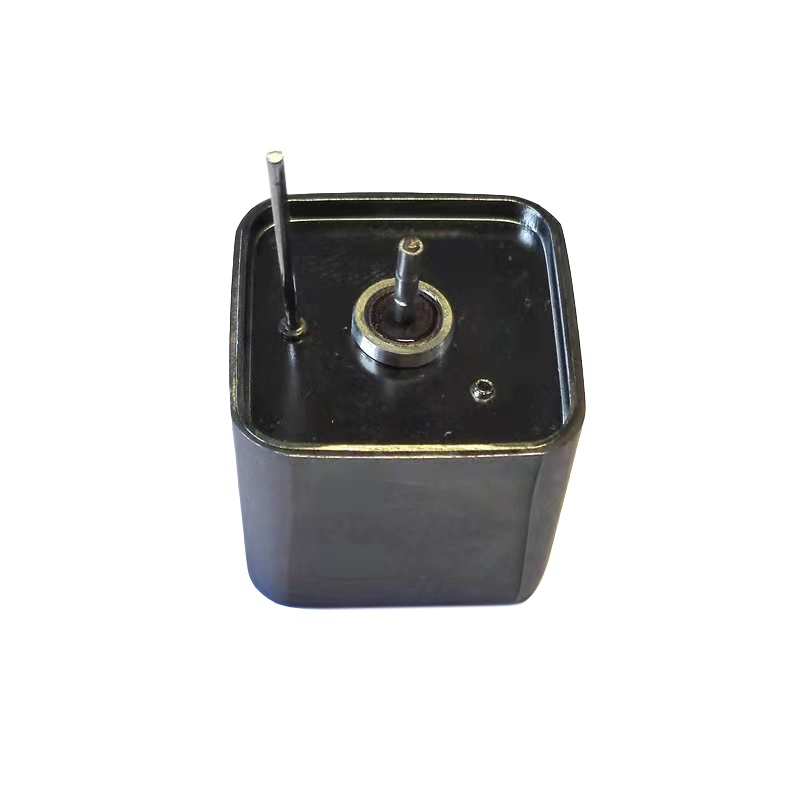
MIL Tantalum Hybrid Capacitor ▏ CBEN
❖ 特徴 そして 応用
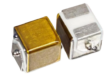
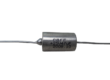
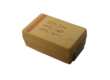
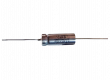
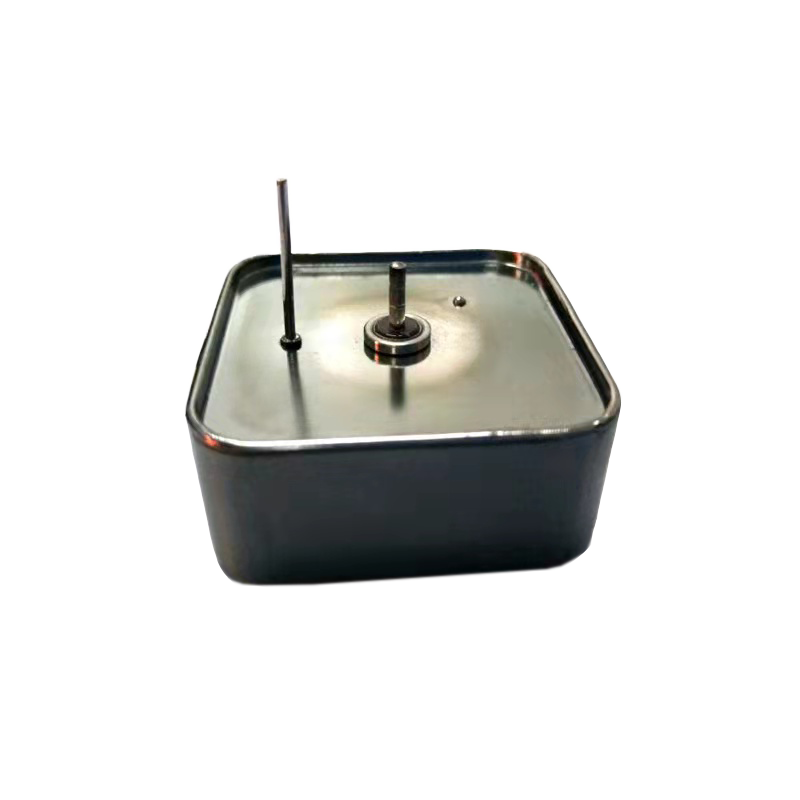
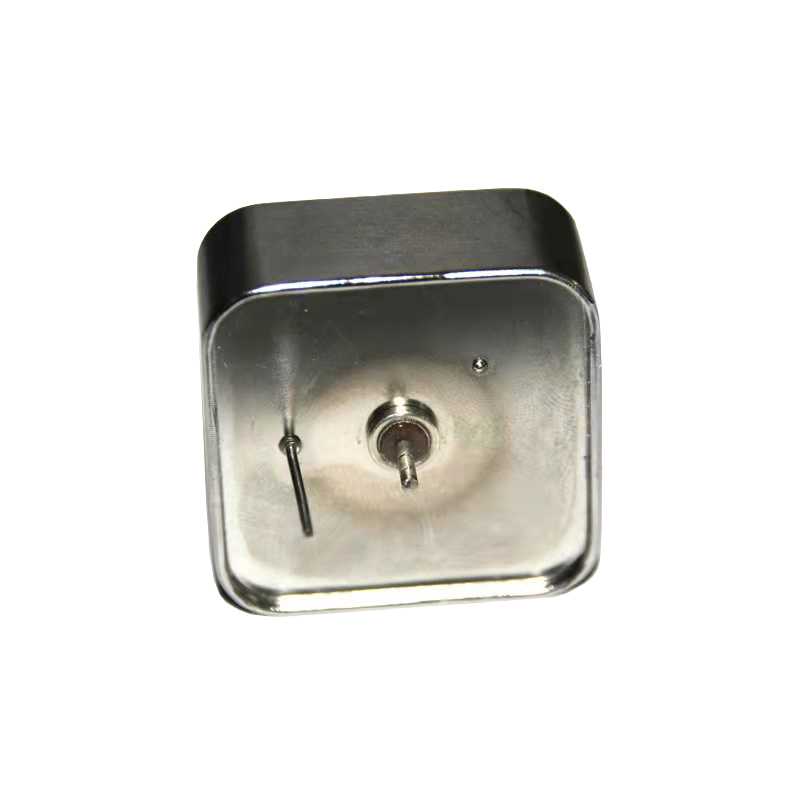
•All tantalum case, 気密封止された, 四角, 小型, ラジアルリード, 偏光
•This product is made up of tantalum capacitor and electrochemical capacitor
•Stable electric performance, high reliab山ty, 長寿命, 単位体積あたりのエネルギー密度が大きい, 多くのエネルギーを蓄える.
•Used as battery in Energy conversion circuit and power pulse ci「cuit, エネルギー貯蔵を実行する,フィルター, 回路内の電源オフ遅延.
•Standard: GJB733A-96,QJ/PWV500-2013,QJ/PWV519-2013,QJ/PWV518-2013
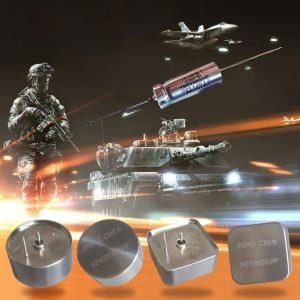
Tantalum hybrid capacitor application for defense & 航空宇宙
Tantalum hybrid capacitors have a wide range of applications in the defense and aerospace fields, and the following are some specific application scenarios:
1,high-speed communication equipment: tantalum hybrid capacitors can be used in high-speed communication equipment, such as radar systems,
satellite communication equipment, 等. These devices require fast signal transmission and processing capabilities, and tantalum hybrid capacitors can provide a stable power supply to help achieve high-speed data transmission.
2, military aircraft and missile systems: tantalum hybrid capacitors are widely used in military aircraft and missile systems. These systems require high temperature,
high voltage and high frequency characteristics of capacitors, and tantalum hybrid capacitors can meet these needs, and have a high capacitance density and energy density.
3, rockets and spacecraft: In rockets and spacecraft, tantalum hybrid capacitors are used to store and release energy to supply the work of various systems.
Its high energy density and high temperature stability make it an ideal choice.
4, defense system: tantalum hybrid capacitors play an important role in defense systems, such as radar jamming systems, missile defense systems, 等.
These systems require stable power and energy reserves to cope with complex operational environments and mission requirements.
Jinpei brand tantalum hybrid capacitors are widely used in the field of defense and aerospace because of their high performance,high stability and high energy density (600uF~230000uF/ CBEC cbel シリーズ).
❖ Technical パフォーマンス
Temperature range: -55’C-+125•c C >85″C use derated voltage) Store environment temperature: -62’C-+130’C
静電容量許容差: K=士10%; M=士20 : Q=-10%-+30%
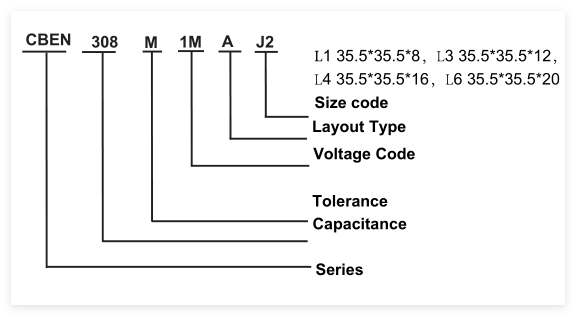
部品番号の例
注意事項
•Tantalum capacitors can’t been measured by multimeter.(容易に不可逆的な損傷を引き起こし、極性を逆にすると不合格につながります)
•Capacitance, OF measure frequency: 100Hz,DC offset voltage U-=2.2% V,Exchange offset voltage U-= 1.0°-o.sV(実効値), 測定方法は直列等価回路による
•Measure the leakage cur「ent at 125℃,定格電圧を下げて使用してください. DCL 読み取り時 5 分
•Special size and big capacitance products, 私たちと交渉してください
応用
 Capacitors applicationfor radar-transmitted pulse storage
The pulse storage of radar transmission refers to the storage of the pulse signal transmitted by radar for processing and analysis after receiving the echo signal. Pulse storage is often used for specific radar applications, including range measurement, target recognition, and imaging.
The basic principle of pulse storage is to convert the pulse signal emitted by the radar into digital form and store it in memory or other media. When the radar receives the echo signal, the information about the target can be extracted by correlation processing with the stored pulse signal.
The main advantage of pulse storage is that a large number of pulse signals can be stored in a short period of time, and it can be processed and analyzed flexibly. This method can improve the detection performance and target recognition ability of the radar system, but also reduce the complexity and cost of the system.
In modern radar systems, pulse storage is often combined with other techniques, such as pulse compression, frequency Doppler processing, 等, to achieve higher resolution and accuracy. 加えて, with the improvement of computing power, the radar system based on pulse storage can also realize real-time signal processing and image reconstruction, so as to achieve better results in target detection and tracking.
Pulse storage can be achieved by capacitors, and Jinpei hybrid tantalum capacitors can be charged during the off phase of the pulse and then discharged during the on phase to supplement the power provided by the radar system power supply